Loading bill breakdown…
H.R. 6431119th CongressTaxation
New Opportunities for Business Ownership and Self-Sufficiency Act
Sponsored by Rep. Mike Carey (R-OH) · 6 active : 4 Republicans, 2 Democrats
Latest action: Received in the Senate and Read twice and referred to the Committee on Finance.
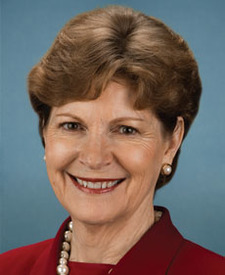
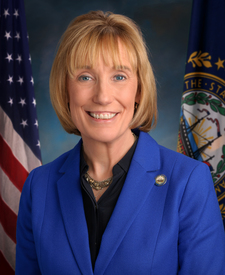
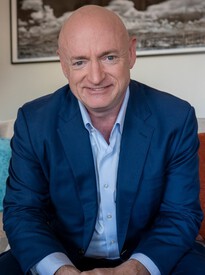
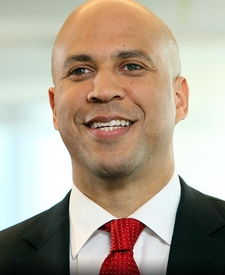
Where it standsPassed House, now in the Senate8 senators score as swing votes
Passed House
- House: passedApr 27, 2026
- Senate: next
- President: not yet
Summary
, via Congress.govNew Opportunities for Business Ownership and Self-Sufficiency Act
This bill increases the percentage of individuals who may participate in a Self-Employment Assistance (SEA) program, generally expands eligibility for such programs, and modifies certain SEA program requirements.
Read full summaryHide full summary
As background, an SEA program provides an individual with an SEA allowance, rather than regular unemployment compensation benefits, if such individual is (1) eligible for unemployment compensation benefits and identified as likely to exhaust such benefits, (2) participating in self-employment assistance activities which include entrepreneurial training, business counseling, and technical assistance and are approved by the state, and (3) working full-time on establishing a business and becoming self-employed. Under current law, the number of individuals participating in an SEA program may not exceed 5% of the individuals receiving regular unemployment compensation benefits in the state.
The bill
increases the percentage of individuals who may participate in a state SEA program to 10%,
eliminates the requirement that an individual be determined likely to exhaust unemployment compensation benefits (generally expanding individual eligibility for an SEA program), and
requires individuals to certify (at least weekly) that they are working full-time on establishing a business and becoming self-employed.
Finally, the bill allows individuals to meet the requirement to participate in state-approved self-employment assistance activities if such activities either (1) include entrepreneurial training, business counseling, and technical assistance (permitted under current law); or (2) are performed pursuant to a state-approved business plan and market feasibility study.
Committees and subjects
Committees
- House Committee on Ways and Means · HouseReported by · Markup by · Referred to
- Senate Committee on Finance · SenateReferred to
Subjects
- Employment taxes
- Self-employed
- State and local government operations
- Unemployment
Model
Directional: count only breaks toward the other partyWhy do scores change?v3default (selected)v2 model swing-v2
How the Senate breaks down
- 8Swing 70–100
- 68Middle 30–70
- 24Entrenched 0–30
Members fall into . All 100 senators have enough data to score.
Key players in the Senate
Ranked by swing score, 0–100 · swing-v3Bars show each input from 0 to 100: ideology gap, scorecard gap, , and the . is the seat’s partisan lean, and shows how much of the input data a score has.
Similar past votes, Senate
Earlier behind swing-v3’s inputLoading similar votes
Cosponsors
6 activeShow all 6 cosponsors
- Greg Landsman (D-OH-1)
- Max L. Miller (R-OH-7)
- Nathaniel Moran (R-TX-1)
- Randy Feenstra (R-IA-4)
- Rudy Yakym (R-IN-2)
- Eugene Simon Vindman (D-VA-7)
How the swing score works
Ideology gapHow far a member’s DW-NOMINATE voting score sits from their party’s median in the same chamber.
Scorecard gapHow far their Heritage Action and LCV ratings stray from their party’s average, using the groups’ votes on similar bills where available.
Cross-pressureHow strongly their district or state leans toward the other party, from our own computed partisan lean.
Similar votesHow often they voted against their own party on earlier roll calls about this bill or similar ones.
Committee bonusMembers of the committees handling the bill decide whether it moves, so they get a boost.
Cosponsor checkThe sponsor and active cosponsors have already committed, so they drop toward entrenched.