Loading bill breakdown…
1
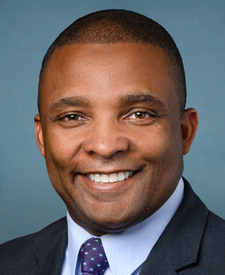
Brian K. FitzpatrickRepublican · Pennsylvania 1st · Lean D+1House Committee on Ways and MeansOn the ballot
Loading bill breakdown…
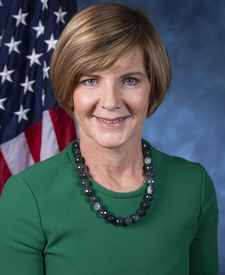
Sponsored by Rep. Beth Van Duyne (R-TX) · 2 active : 1 Republican, 1 Democrat
Latest action: Received in the Senate and Read twice and referred to the Committee on Finance.
Recover COVID Unemployment Fraud in Banks Act
This bill extends to 10 years the statute of limitations for federal criminal charges or civil enforcement actions for fraud related to several unemployment insurance programs that were established during the COVID-19 pandemic. The bill also establishes a task force to locate fraudulent payments and develop strategies to recover such payments.
The extension applies to Pandemic Unemployment Assistance, Federal Pandemic Unemployment Compensation, Mixed Earners Unemployment Compensation, and Pandemic Emergency Unemployment Compensation. The bill extends the statute of limitations for (1) criminal charges related to fraud, including aggravated identity theft, wire fraud, and conspiracy to commit fraud (currently subject to a 5-year statute of limitations); and (2) civil actions involving false claims (currently subject to a 6-year statute of limitations). However, the bill does not apply to a criminal prosecution or civil enforcement action if the applicable statute of limitations expired before the date of the bill's enactment.
The task force established by this bill must
coordinate with state agencies to identify federal pandemic unemployment compensation payments held by financial institutions and other entities or held by state agencies responsible for unclaimed property,
coordinate with federal agencies to develop model processes that result in the cost-effective recovery of such payments,
issue guidance to financial institutions on legal pathways for returning such payments, and
issue guidance to state unclaimed property agencies on their obligation to review and return such payments.
Each member’s recorded vote compared with their swing projection from before the vote. A member by voting against most of their own party.
Passed by voice vote or unanimous consent: no individual votes recorded.
Members fall into . 6 representatives don’t have enough data yet and are marked “insufficient data”. Non-voting delegates are not counted. The bill is not before the House right now; these scores show where members would stand.
Bars show each input from 0 to 100: ideology gap, scorecard gap, , and the . is the seat’s partisan lean, and shows how much of the input data a score has.
Loading similar votes
These members have less than half of the model’s inputs, so their scores are not banded or ranked.


Ideology is each member’s score. The cluster low on the chart includes the bill’s 3 sponsor and cosponsors in the House: they have already committed, so they score as entrenched. 6 representatives without a DW-NOMINATE score or with insufficient data are not plotted.
Similar votes count toward swing-v3 in the House: total similarity weight 19.0 (needs 5.0).