Loading bill breakdown…
1
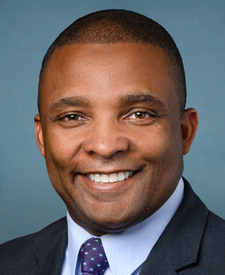
Michael LawlerRepublican · New York 17th · Lean D+1House Committee on Financial ServicesOn the ballot
Loading bill breakdown…
Sponsored by Rep. William R. Timmons (R-SC) · 1 active : 1 Democrat
Latest action: Received in the Senate and Read twice and referred to the Committee on Banking, Housing, and Urban Affairs.
Supervisory Modifications for Appropriate Risk-based Testing Act of 2025 or the SMART Act of 2025
This bill limits the scope of certain examinations and combines oversight procedures for certain small depository institutions and credit unions.
Specifically, depository institutions and credit unions that are considered well-capitalized and well-managed (per their most recent examination) with assets of $6 billion or less must receive a limited-scope examination, as determined by the appropriate federal regulator, in the year following a full-scope examination. In addition, upon request by the depository institution or credit union, the regulator must combine separate compliance examinations (e.g., safety and soundness examinations and information technology examinations) and perform them at the same time.
The bill provides exceptions for recently acquired depository institutions and for depository institutions and credit unions subject to certain formal enforcement proceedings or orders.
Each member’s recorded vote compared with their swing projection from before the vote. A member by voting against most of their own party.
Passed by voice vote or unanimous consent: no individual votes recorded.
Members fall into . 6 representatives don’t have enough data yet and are marked “insufficient data”. Non-voting delegates are not counted. The bill is not before the House right now; these scores show where members would stand.
Bars show each input from 0 to 100: ideology gap, scorecard gap, , and the . is the seat’s partisan lean, and shows how much of the input data a score has.
Loading similar votes
These members have less than half of the model’s inputs, so their scores are not banded or ranked.


Ideology is each member’s score. The cluster low on the chart includes the bill’s 2 sponsor and cosponsors in the House: they have already committed, so they score as entrenched. 6 representatives without a DW-NOMINATE score or with insufficient data are not plotted.
Similar votes count toward swing-v3 in the House: total similarity weight 21.0 (needs 5.0).