Loading bill breakdown…
Loading bill breakdown…
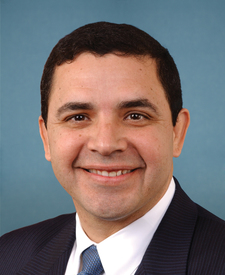
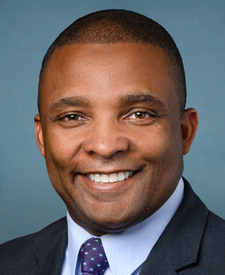
Sponsored by Rep. Juan Ciscomani (R-AZ) · 3 active : 2 Republicans, 1 Democrat
Latest action: Received in the Senate and Read twice and referred to the Committee on Veterans' Affairs.
Veterans Readiness and Employment Program Integrity Act
This bill modifies the Veteran Readiness and Employment (VR&E) program of the Department of Veterans Affairs (VA). The VR&E program provides job training and employment-related services to veterans with service-connected disabilities.
The bill requires veterans to submit an application to the VA in order to receive an initial evaluation to participate in the VR&E program.
Further, a veteran may not receive employment assistance under the VR&E program for more than 365 days.
The bill also requires the VA to report to Congress regarding the employment of veterans who participate in a vocational rehabilitation program under the VR&E program, including the annual wages of veterans before and after completion of a program. Additionally, the VA must annually publish the average time between the date on which a veteran requests a vocational rehabilitation program under the VR&E program and the date on which they first meet with a counselor as part of the program.
Finally, the VA must seek to enter into a contract with a non-VA entity that has expertise in vocational rehabilitation to review, report, and provide recommendations on rehabilitation programs under the VR&E program.
Each member’s recorded vote compared with their swing projection from before the vote. A member by voting against most of their own party.
Passed by voice vote or unanimous consent: no individual votes recorded.
Members fall into . 2 representatives don’t have enough data yet and are marked “insufficient data”. Non-voting delegates are not counted. The bill is not before the House right now; these scores show where members would stand.
Bars show each input from 0 to 100: ideology gap, scorecard gap, , and the . is the seat’s partisan lean, and shows how much of the input data a score has.
Loading similar votes
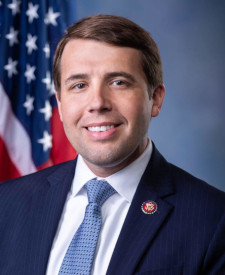
These members have less than half of the model’s inputs, so their scores are not banded or ranked.


Ideology is each member’s score. The cluster low on the chart includes the bill’s 3 sponsor and cosponsors in the House: they have already committed, so they score as entrenched. 2 representatives without a DW-NOMINATE score or with insufficient data are not plotted.
Similar votes count toward swing-v3 in the House: total similarity weight 69.0 (needs 5.0).