Loading bill breakdown…
- 1
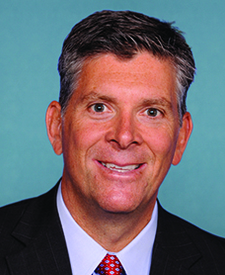
 Brian K. FitzpatrickRepublican · Pennsylvania 1st · Lean D+1House Committee on Ways and MeansOn the ballotIdeology gapScorecard gapCross-pressureSimilar votesCommitteeBroke with party on 37% of 91 similar votes100Swing
 - 2
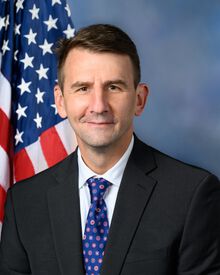
 Thomas H. KeanRepublican · New Jersey 7th · Lean EVENHouse Committee on Foreign AffairsOn the ballotIdeology gapScorecard gapCross-pressureSimilar votesCommitteeBroke with party on 25% of 85 similar votes97SwingContactCall
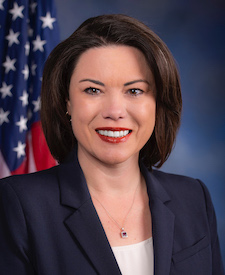
 - Ideology gapScorecard gapCross-pressureSimilar votesCommitteeBroke with party on 26% of 36 similar votes96SwingContactCall
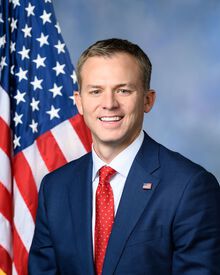
- Ideology gapScorecard gapCross-pressureSimilar votesCommitteeNo committee seatBroke with party on 26% of 90 similar votes95Swing
- Ideology gapScorecard gapCross-pressureSimilar votesCommitteeNo committee seatBroke with party on 22% of 91 similar votes93Swing
- Ideology gapScorecard gapCross-pressureSimilar votesCommitteeBroke with party on 14% of 89 similar votes92SwingContactCall
- Ideology gapScorecard gapCross-pressureSimilar votesCommitteeNo committee seatBroke with party on 25% of 90 similar votes92Swing
- Ideology gapScorecard gapCross-pressureSimilar votesCommitteeNo committee seatBroke with party on 22% of 91 similar votes91Swing
- 9
 Maria Elvira SalazarRepublican · Florida 27th · Lean R+6House Committee on Foreign AffairsOn the ballotIdeology gapScorecard gapCross-pressureSimilar votesCommitteeBroke with party on 22% of 78 similar votes89SwingContactCall
 - Ideology gapScorecard gapCross-pressureSimilar votesCommitteeNo committee seatBroke with party on 23% of 90 similar votes89Swing