Loading bill breakdown…
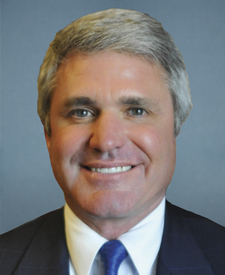
- Ideology gapScorecard gapCross-pressureSimilar votesCommitteeBroke with party on 25% of 91 similar votes94Swing
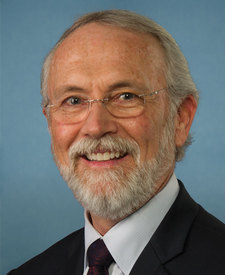
- Ideology gapScorecard gapCross-pressureSimilar votesCommitteeBroke with party on 6% of 17 similar votes86SwingContactCall
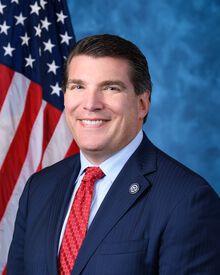
- Ideology gapScorecard gapCross-pressureSimilar votesCommitteeBroke with party on 7% of 85 similar votes84SwingContactCall
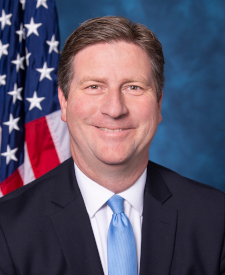
- Ideology gapScorecard gapCross-pressureSimilar votesCommitteeBroke with party on 10% of 90 similar votes84SwingContactCall
- Ideology gapScorecard gapCross-pressureSimilar votesCommitteeBroke with party on 11% of 90 similar votes82SwingContactCall
- 6
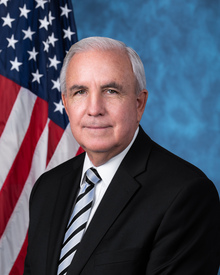 Carlos A. GimenezRepublican · Florida 28th · Lean R+10House Committee on Armed ServicesOn the ballotIdeology gapScorecard gapCross-pressureSimilar votesCommitteeBroke with party on 13% of 89 similar votes81SwingContactCall
 - 7
 Ryan MackenzieRepublican · Pennsylvania 7th · Lean R+1House Committee on Foreign AffairsOn the ballotIdeology gapScorecard gapCross-pressureSimilar votesCommitteeBroke with party on 4% of 18 similar votes81SwingContactCall
 - Ideology gapScorecard gapCross-pressureSimilar votesCommitteeNo committee seatBroke with party on 9% of 88 similar votes81Swing
- Ideology gapScorecard gapCross-pressureSimilar votesCommitteeNo committee seatBroke with party on 9% of 89 similar votes79Swing
- Ideology gapScorecard gapCross-pressureSimilar votesCommitteeNo committee seatBroke with party on 16% of 91 similar votes78Swing