Loading bill breakdown…

Ideology gap
Scorecard gap
Cross-pressure
92Swing
Loading bill breakdown…
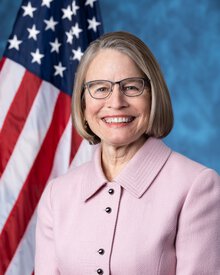
Sponsored by Rep. Celeste Maloy (R-UT) · 6 active : 6 Republicans
Latest action: Placed on the Union Calendar, Calendar No. 334.
Water Rights Protection Act of 2025
This bill limits the transfer of water rights from water users to the Department of the Interior or the Department of Agriculture (USDA).
First, the bill prohibits Interior and USDA from conditioning the issuance or renewal of land use or occupancy agreements (e.g., permits and leases) on the transfer of any water right to the United States. Next, it prohibits Interior and USDA from requiring water users, including Indian tribes, to acquire water rights in the name of the United States as a condition of the issuance or renewal of a land use or occupancy agreement. Finally, it prohibits Interior and USDA from conditioning or withholding the issuance or renewal of land use or occupancy agreements on (1) limiting the date, time, quantity, location of diversion or pumping, or place of use of a state water right beyond any applicable limitations under state water law; or (2) modifying the terms and conditions of groundwater withdrawal, guidance and reporting procedures, or conservation and source protection measures established by a state.
Interior and USDA must also ensure that federal action imposes no greater restriction or regulatory requirement than under applicable state water law.
Further, Interior and USDA must not take actions that adversely affect state authority in permitting water usage or in adjudicating water rights.
Members fall into . 2 representatives don’t have enough data yet and are marked “insufficient data”. Non-voting delegates are not counted.
: only movement toward the other party counts, so members who sit further from the center than their party no longer score as swing votes.
Bars show each input from 0 to 100: ideology gap, scorecard gap, . is the seat’s partisan lean, and shows how much of the input data a score has.
Loading similar votes







These members have less than half of the model’s inputs, so their scores are not banded or ranked.


Ideology is each member’s score. The cluster low on the chart includes the bill’s 7 sponsor and cosponsors in the House: they have already committed, so they score as entrenched. 2 representatives without a DW-NOMINATE score or with insufficient data are not plotted.
Similar votes count toward swing-v3 in the House: total similarity weight 16.0 (needs 5.0).