Loading bill breakdown…
H.R. 167119th CongressEnvironmental Protection
Community Reclamation Partnerships Act of 2025
Sponsored by Rep. Darin LaHood (R-IL) · 0 active
Latest action: Received in the Senate and Read twice and referred to the Committee on Energy and Natural Resources.
Where it standsPassed House, now in the Senate10 senators score as swing votes
Passed House
- House: passedMay 13, 2025
- Senate: next
- President: not yet
Summary
, via Congress.govCommunity Reclamation Partnerships Act of 2025
This bill revises the Abandoned Mine Land Reclamation Program, which restores land and water adversely impacted by surface coal mines that were abandoned before August 3, 1977.
Until September 30, 2032, the bill allows a state with an approved reclamation program to enter into a memorandum of understanding with relevant federal or state agencies for remediating mine drainage on abandoned mine land and water impacted by abandoned mines.
Read full summaryHide full summary
In addition, the bill authorizes a partnership between a state and a community reclaimer for remediating abandoned mine land if certain conditions are met. A community reclaimer is a person who (1) voluntarily assists a state in a reclamation project, (2) did not participate in the creation of site conditions at the proposed site or activities that caused any land or waters at the site to become eligible for reclamation or drainage abatement expenditures, and (3) is not subject to outstanding violations of surface coal mining permits.
How the projections held up
Each member’s recorded vote compared with their swing projection from before the vote. A member by voting against most of their own party.
House
Passed by voice vote or unanimous consent: no individual votes recorded.
Committees and subjects
Committees
- House Committee on Natural Resources · HouseReferred to
- Senate Committee on Energy and Natural Resources · SenateReferred to
Subjects
- Coal
- Environmental assessment, monitoring, research
- Government liability
- Hazardous wastes and toxic substances
- Intergovernmental relations
- Land use and conservation
- Mining
- Public participation and lobbying
- State and local government operations
- Water quality
Model
Directional: count only breaks toward the other partyWhy do scores change?v3default (selected)v2 model swing-v2
How the House breaks down
- 76Swing 70–100
- 209Middle 30–70
- 148Entrenched 0–30
Members fall into . All 433 representatives have enough data to score. Non-voting delegates are not counted. The bill is not before the House right now; these scores show where members would stand.
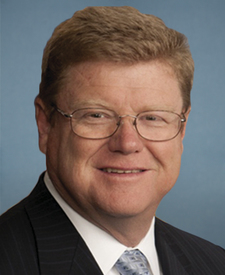
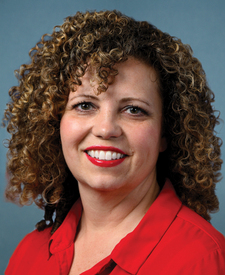
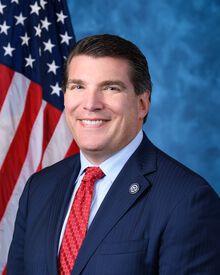
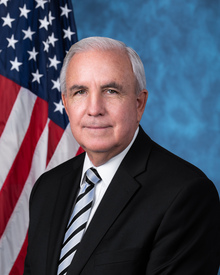
Key players in the House
Ranked by swing score, 0–100 · swing-v3, directional: only movement toward the other party counts, so members who sit further from the center than their party no longer score as swing votes.
Bars show each input from 0 to 100: ideology gap, scorecard gap, , and the . is the seat’s partisan lean, and shows how much of the input data a score has.

Similar past votes, House
Earlier behind swing-v3’s inputLoading similar votes
Cosponsors
0 activeThis bill has no cosponsors.
How the swing score works
Ideology gapHow far a member’s DW-NOMINATE voting score sits from their party’s median in the same chamber.
Scorecard gapHow far their Heritage Action and LCV ratings stray from their party’s average, using the groups’ votes on similar bills where available.
Cross-pressureHow strongly their district or state leans toward the other party, from our own computed partisan lean.
Similar votesHow often they voted against their own party on earlier roll calls about this bill or similar ones.
Committee bonusMembers of the committees handling the bill decide whether it moves, so they get a boost.
Cosponsor checkThe sponsor and active cosponsors have already committed, so they drop toward entrenched.