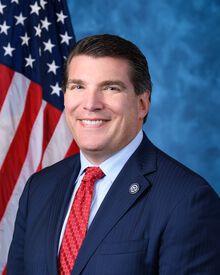
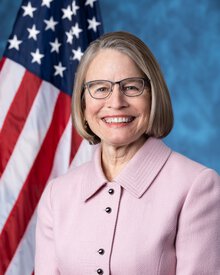
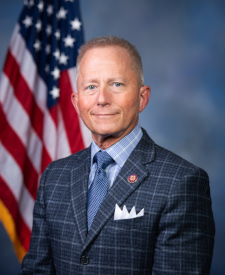
Loading bill breakdown…
- Ideology gapScorecard gapCross-pressureSimilar votesCommitteeBroke with party on 38% of 49 similar votesTopic-matched scorecard: Heritage Action, LCV100Swing
- 2
 Donald G. DavisDemocrat · North Carolina 1st · Lean R+1House Committee on Armed ServicesOn the ballotIdeology gapScorecard gapCross-pressureSimilar votesCommitteeBroke with party on 31% of 49 similar votesTopic-matched scorecard: Heritage Action, LCV95SwingContactCall
 - Ideology gapScorecard gapCross-pressureSimilar votesCommitteeNo committee seatBroke with party on 40% of 47 similar votesTopic-matched scorecard: Heritage Action, LCV93Swing
- Ideology gapScorecard gapCross-pressureSimilar votesCommitteeNo committee seatBroke with party on 26% of 49 similar votesTopic-matched scorecard: Heritage Action, LCV93SwingContactCall 202-225-4276
- Ideology gapScorecard gapCross-pressureSimilar votesCommitteeNo committee seatBroke with party on 41% of 47 similar votesTopic-matched scorecard: Heritage Action, LCV92Swing
- 6
 George WhitesidesDemocrat · California 27th · Lean D+3House Committee on Armed ServicesOn the ballotIdeology gapScorecard gapCross-pressureSimilar votesCommitteeBroke with party on 19% of 13 similar votes90SwingContactCall
 - Ideology gapScorecard gapCross-pressureSimilar votesCommitteeNo committee seatBroke with party on 38% of 13 similar votes89Swing
- Ideology gapScorecard gapCross-pressureSimilar votesCommitteeNo committee seatBroke with party on 31% of 13 similar votes89Swing
- Ideology gapScorecard gapCross-pressureSimilar votesCommitteeBroke with party on 3% of 13 similar votes87SwingContactCall
- Ideology gapScorecard gapCross-pressureSimilar votesCommitteeBroke with party on 14% of 49 similar votesTopic-matched scorecard: Heritage Action, LCV86SwingContactCall