Loading bill breakdown…
S. 3315119th CongressHealth
Health Care Cybersecurity and Resiliency Act of 2026
Sponsored by Sen. Bill Cassidy (R-LA) · 5 active : 2 Republicans, 2 Democrats, 1 Independent
Latest action: Held at the desk.
Where it standsBefore the Senate7 senators score as swing votes
Passed Senate
- Senate: passedSep 30, 2026
- House: next
- President: not yet
Summary
, via Congress.govHealth Care Cybersecurity and Resiliency Act of 2026
This bill expands federal requirements and resources for preventing and responding to cybersecurity incidents in the health care and public health sectors.
The bill directs the Department of Health and Human Services (HHS) to
require private health care-related entities to adopt minimum cybersecurity practices (e.g., multifactor authentication),
more specifically identify the standards for mitigating penalties relating to violations of health information privacy and security,
Read full summaryHide full summary
expand and update biennially a specified plan that details cybersecurity protocols for HHS personnel,
provide training and best practices to support the expansion of the workforce for health care cybersecurity,
provide guidance on cybersecurity readiness to rural entities, and
designate one representative to lead oversight and coordination of cybersecurity activities within HHS.
Also, HHS and the Cybersecurity and Infrastructure Security Agency (CISA) must coordinate to improve health care cybersecurity, including by (1) providing resources for entities receiving information from HHS or CISA programs, and (2) establishing a joint cybersecurity capability plan to coordinate responses to significant incidents.
Additionally, the bill requires health care providers and plans to include the number of individuals affected when notifying individuals of unauthorized access to health information (i.e., a breach).
How the projections held up
Each member’s recorded vote compared with their swing projection from before the vote. A member by voting against most of their own party.
Senate
Passed by voice vote or unanimous consent: no individual votes recorded.
Committees and subjects
Committees
- Senate Committee on Health, Education, Labor, and Pensions · SenateReported by · Markup by · Referred to
Subjects
- Administrative law and regulatory procedures
- Computer security and identity theft
- Computers and information technology
- Congressional oversight
- Department of Health and Human Services
- Employment and training programs
- Government information and archives
- Government studies and investigations
- Health programs administration and funding
- Public-private cooperation
- Rural conditions and development
How the Senate breaks down
- 7Swing 70–100
- 59Middle 30–70
- 34Entrenched 0–30
Members fall into . All 100 senators have enough data to score.
Key players in the Senate
Ranked by swing score, 0–100 · swing-v2Bars show each input from 0 to 100: ideology gap, scorecard gap, . is the seat’s partisan lean, and shows how much of the input data a score has.
- 1
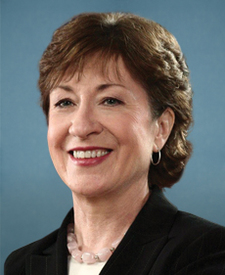 Susan M. CollinsRepublican · Maine · Lean D+4Senate Committee on Health, Education, Labor, and Pensions
Similar past votes, Senate
Earlier behind swing-v3’s inputLoading similar votes
Cosponsors
5 activeShow all 5 cosponsors
- John Cornyn (R-TX)
- Margaret Wood Hassan (D-NH)
- Mark R. Warner (D-VA)
- Angus S. King Jr. (I-ME)
- Cindy Hyde-Smith (R-MS)
How the swing score works
Ideology gapHow far a member’s DW-NOMINATE voting score sits from their party’s median in the same chamber.
Scorecard gapHow far their Heritage Action and LCV ratings stray from their party’s average, using the groups’ votes on similar bills where available.
Cross-pressureHow strongly their district or state leans toward the other party, from our own computed partisan lean.
Similar votesHow often they voted against their own party on earlier roll calls about this bill or similar ones.
Committee bonusMembers of the committees handling the bill decide whether it moves, so they get a boost.
Cosponsor checkThe sponsor and active cosponsors have already committed, so they drop toward entrenched.