Loading bill breakdown…
- Ideology gapScorecard gapCross-pressureSimilar votesCommitteeNo committee seatBroke with party on 50% of 114 similar votesTopic-matched scorecard: LCV95Swing
- Ideology gapScorecard gapCross-pressureSimilar votesCommitteeNo committee seatBroke with party on 48% of 117 similar votesTopic-matched scorecard: LCV93Swing
- Ideology gapScorecard gapCross-pressureSimilar votesCommitteeNo committee seatBroke with party on 58% of 23 similar votesTopic-matched scorecard: LCV89Swing
- Ideology gapScorecard gapCross-pressureSimilar votesCommitteeNo committee seatBroke with party on 3% of 117 similar votesTopic-matched scorecard: LCV89Swing
- Ideology gapScorecard gapCross-pressureSimilar votesCommitteeNo committee seatBroke with party on 48% of 116 similar votesTopic-matched scorecard: LCV88Swing
- Ideology gapScorecard gapCross-pressureSimilar votesCommitteeNo committee seatBroke with party on 24% of 24 similar votesTopic-matched scorecard: LCV88Swing
- Ideology gapScorecard gapCross-pressureSimilar votesCommitteeNo committee seatBroke with party on 16% of 41 similar votesTopic-matched scorecard: LCV87Swing
- 8
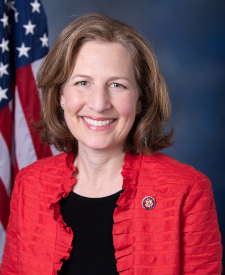 Kim SchrierDemocrat · Washington 8th · Lean D+3House Committee on Energy and CommerceEnergyOn the ballotIdeology gapScorecard gapCross-pressureSimilar votesCommitteeBroke with party on 11% of 117 similar votesTopic-matched scorecard: LCV87SwingContactCall
 - Ideology gapScorecard gapCross-pressureSimilar votesCommitteeNo committee seatBroke with party on 5% of 116 similar votesTopic-matched scorecard: LCV87Swing
- 10
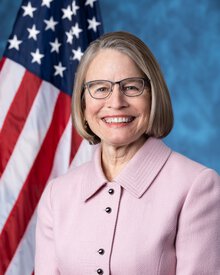 Mariannette Miller-MeeksRepublican · Iowa 1st · Lean R+4House Committee on Energy and CommerceEnergyOn the ballotIdeology gapScorecard gapCross-pressureSimilar votesCommitteeBroke with party on 2% of 117 similar votesTopic-matched scorecard: LCV87SwingContactCall