Loading bill breakdown…
Loading bill breakdown…
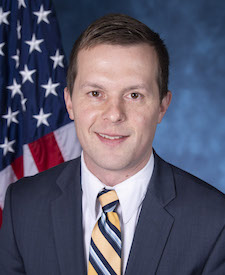
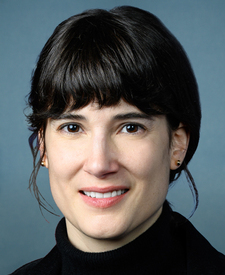
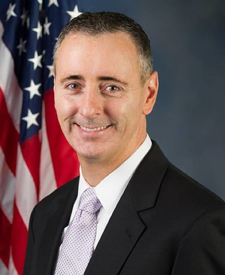
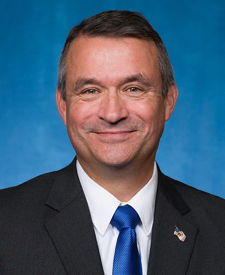
Sponsored by Rep. Glenn Grothman (R-WI) · 1 active : 1 Democrat
Latest action: Received in the Senate and Read twice and referred to the Committee on Homeland Security and Governmental Affairs.
Federal Fraud Prevention Workforce Training Act
This bill requires the Office of Management and Budget (OMB) and the Department of the Treasury to establish and maintain a mandatory antifraud and improper payment prevention training program for federal employees whose roles involve federal financial assistance or oversight of federal programs. The program must also be made available to state, local, and tribal governments to train relevant personnel.
Under the bill, federal agencies must ensure that all federal employees in roles involving oversight of federal programs or federal financial assistance complete the training every two years. (Such positions include program administrator or officer, financial administrator or manager, disbursement certifying official, auditing official, and grants manager.) The Office of Personnel Management shall certify and maintain records of completion.
Treasury must also provide the program and related technical assistance to state, local, and tribal governments for training employees who are responsible for the administration of federally funded programs. Federal agencies may make completion of the program a condition of a federal grant or award.
The program curriculum must include comprehensive instruction on specified topics, including (1) identifying fraud and improper payment risks in federal programs; (2) using government-wide antifraud data sharing and other payee validation programs; and (3) reporting mechanisms for suspected fraud, waste, and abuse.
No later than two years after the date of the bill's enactment, Treasury and OMB must provide Congress with a report on program implementation.
Each member’s recorded vote compared with their swing projection from before the vote. A member by voting against most of their own party.
| BandBand before the vote | VotedVoted yea or nay | BrokeBroke with party | Share |
|---|---|---|---|
| Swing | 32 | 0 | 0% |
| Middle | 223 | 0 | 0% |
| Entrenched | 138 | 0 | 0% |
| All |
Members fall into . 2 representatives don’t have enough data yet and are marked “insufficient data”. Non-voting delegates are not counted. The bill is not before the House right now; these scores show where members would stand.
Bars show each input from 0 to 100: ideology gap, scorecard gap, . is the seat’s partisan lean, and shows how much of the input data a score has. Where the House has voted, each member’s appears with the projection made before it.
Loading similar votes
Finally, Treasury may prescribe any regulations necessary to implement and administer the training program.
| 393 |
| 0 |
| 0% |
Too few members broke with their party to measure .
Projections from swing-v2, computed with data from before the vote. Present and not voting never count as breaking.
These members have less than half of the model’s inputs, so their scores are not banded or ranked.


Ideology is each member’s score. The cluster low on the chart includes the bill’s 2 sponsor and cosponsors in the House: they have already committed, so they score as entrenched. 2 representatives without a DW-NOMINATE score or with insufficient data are not plotted.
Similar votes count toward swing-v3 in the House: total similarity weight 27.5 (needs 5.0).