Loading bill breakdown…
H.R. 8365119th CongressLaw
Monitor Accountability Act
Sponsored by Rep. Andy Biggs (R-AZ) · 2 active : 2 Republicans
Latest action: Received in the Senate and Read twice and referred to the Committee on the Judiciary.
Where it standsPassed House, now in the Senate8 senators score as swing votes
Passed House
- House: passedMay 14, 2026
- Senate: next
- President: not yet
Summary
, via Congress.govMonitor Accountability Act
This bill requires the Administrative Office of the U.S. Courts to establish conditions on the appointment of monitors to oversee state and local governmental entities. A
monitor
is an independent official appointed to oversee corrective reforms as part of a civil settlement agreement or consent decree, such as to remedy a pattern or practice of unconstitutional policing.
Read full summaryHide full summary
Among the conditions, this bill requires notice and an opportunity for public comment prior to the appointment of a monitor, limits an individual to one monitor appointment at a time, sets a five-year term limit for monitors, and requires a public accounting of the fees charged and services provided by the monitor. It also caps fees and explicitly authorizes the use of pro bono services.
In 2021, the Department of Justice began implementing a set of principles and specific recommendations regarding the use of monitors in civil settlement agreements and consent decrees involving state and local governmental entities, including recommendations relating to term limits, capping fees, and public accountability.
Committees and subjects
Committees
- House Committee on the Judiciary · HouseReported by · Markup by · Referred to
- Senate Committee on the Judiciary · SenateReferred to
Subjects
- Federal district courts
- Government employee pay, benefits, personnel management
- Government information and archives
- Judicial procedure and administration
- Legal fees and court costs
Model
Directional: count only breaks toward the other partyWhy do scores change?v3default (selected)v2 model swing-v2
How the Senate breaks down
- 8Swing 70–100
- 69Middle 30–70
- 23Entrenched 0–30
Members fall into . All 100 senators have enough data to score.
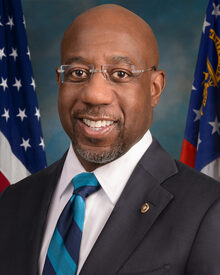
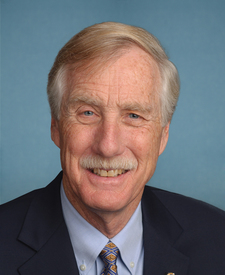
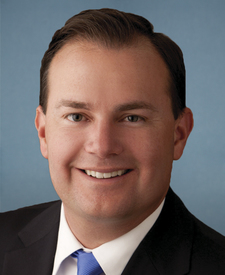
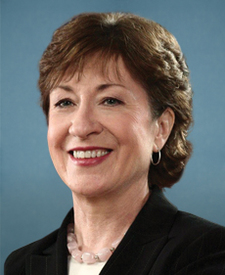
Key players in the Senate
Ranked by swing score, 0–100 · swing-v3Bars show each input from 0 to 100: ideology gap, scorecard gap, , and the . is the seat’s partisan lean, and shows how much of the input data a score has.
Similar past votes, Senate
Earlier behind swing-v3’s inputLoading similar votes
Cosponsors
2 activeShow all 2 cosponsors
- Russell Fry (R-SC-7)
- Troy E. Nehls (R-TX-22)
How the swing score works
Ideology gapHow far a member’s DW-NOMINATE voting score sits from their party’s median in the same chamber.
Scorecard gapHow far their Heritage Action and LCV ratings stray from their party’s average, using the groups’ votes on similar bills where available.
Cross-pressureHow strongly their district or state leans toward the other party, from our own computed partisan lean.
Similar votesHow often they voted against their own party on earlier roll calls about this bill or similar ones.
Committee bonusMembers of the committees handling the bill decide whether it moves, so they get a boost.
Cosponsor checkThe sponsor and active cosponsors have already committed, so they drop toward entrenched.