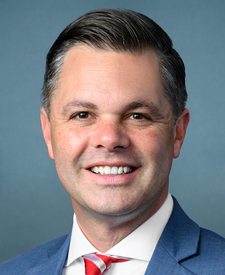
Loading bill breakdown…
- 1
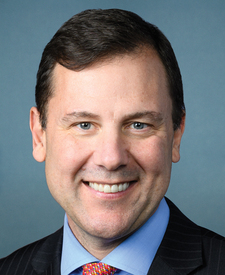
 Michael LawlerRepublican · New York 17th · Lean D+1House Committee on Financial ServicesOn the ballotIdeology gapScorecard gapCross-pressureSimilar votesCommitteeBroke with party on 10% of 37 similar votes99SwingVote on passage, Sep 15, 2026:YeaProjected: 99 Swing
 - 2
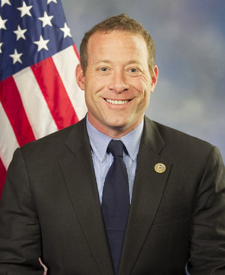 Josh GottheimerDemocrat · New Jersey 5th · Lean D+2House Committee on Financial ServicesOn the ballotIdeology gapScorecard gapCross-pressureSimilar votesCommitteeBroke with party on 24% of 36 similar votes95SwingVote on passage, Sep 15, 2026:YeaProjected: 95 Swing
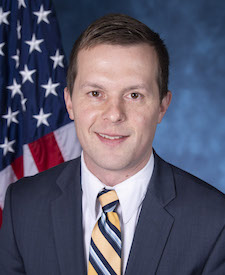
 - Ideology gapScorecard gapCross-pressureSimilar votesCommitteeNo committee seatBroke with party on 33% of 38 similar votes94SwingVote on passage, Sep 15, 2026:YeaProjected: 94 SwingContactCall
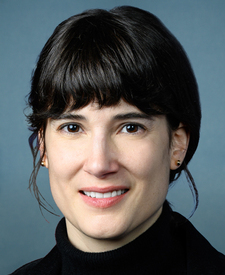
- Ideology gapScorecard gapCross-pressureSimilar votesCommitteeNo committee seatBroke with party on 37% of 38 similar votes93SwingVote on passage, Sep 15, 2026:YeaProjected: 93 SwingContactCall
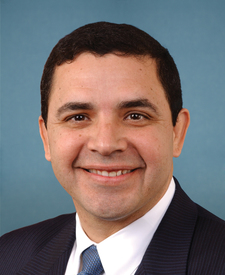
- Ideology gapScorecard gapCross-pressureSimilar votesCommitteeNo committee seatBroke with party on 17% of 38 similar votes93SwingVote on passage, Sep 15, 2026:YeaProjected: 93 SwingContactCall
- 6
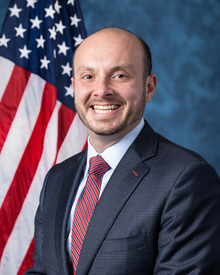 Andrew R. GarbarinoRepublican · New York 2nd · Lean R+6House Committee on Financial ServicesOn the ballotIdeology gapScorecard gapCross-pressureSimilar votesCommitteeBroke with party on 7% of 37 similar votesToday92SwingVote on passage, Sep 15, 2026:YeaProjected at the vote: Swing
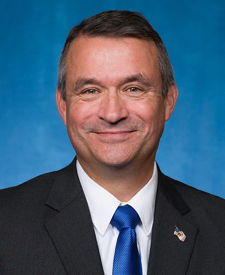
 - Ideology gapScorecard gapCross-pressureSimilar votesCommitteeNo committee seatBroke with party on 38% of 38 similar votes92SwingVote on passage, Sep 15, 2026:YeaProjected: 92 SwingContactCall
- Ideology gapScorecard gapCross-pressureSimilar votesCommitteeNo committee seatBroke with party on 8% of 38 similar votes91SwingVote on passage, Sep 15, 2026:YeaProjected: 91 SwingContactCall
- Ideology gapScorecard gapCross-pressureSimilar votesCommitteeBroke with party on 6% of 35 similar votesToday91SwingVote on passage, Sep 15, 2026:YeaProjected at the vote: Swing
- Ideology gapScorecard gapCross-pressureSimilar votesCommitteeNo committee seatBroke with party on 8% of 37 similar votes90SwingVote on passage, Sep 15, 2026:YeaProjected: 90 SwingContactCall