Loading bill breakdown…
- Ideology gapScorecard gapCross-pressureSimilar votesCommitteeNo committee seatBroke with party on 26% of 27 similar votes95Swing
- Ideology gapScorecard gapCross-pressureSimilar votesCommitteeNo committee seatBroke with party on 22% of 29 similar votes93Swing
- Ideology gapScorecard gapCross-pressureSimilar votesCommitteeNo committee seatBroke with party on 45% of 29 similar votes93Swing
- 4
 Laura GillenDemocrat · New York 4th · Lean D+2House Committee on Transportation and InfrastructureAviationOn the ballot70% of inputs · missing similar votesIdeology gapScorecard gapCross-pressureSimilar votesNo dataCommitteeToo few votes on similar bills to measure93SwingContactCall
 - Ideology gapScorecard gapCross-pressureSimilar votesCommitteeNo committee seatBroke with party on 37% of 29 similar votes92Swing
- 6
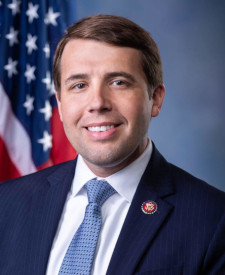 Chris PappasDemocrat · New Hampshire 1st · Lean D+2House Committee on Transportation and InfrastructureOn the ballotIdeology gapScorecard gapCross-pressureSimilar votesCommitteeBroke with party on 9% of 28 similar votes92SwingContactCall
 - 7
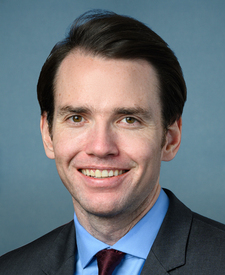 Kevin KileyIndependent · California 3rd · Lean R+2House Committee on Transportation and InfrastructureOn the ballotIdeology gapScorecard gapCross-pressureSimilar votesCommitteeBroke with party on 15% of 29 similar votes91SwingContactCall
 - Ideology gapScorecard gapCross-pressureSimilar votesCommitteeNo committee seatBroke with party on 21% of 25 similar votes91Swing
- 9
 Robert P. BresnahanRepublican · Pennsylvania 8th · Lean R+4House Committee on Transportation and InfrastructureAviationOn the ballot70% of inputs · missing similar votesIdeology gapScorecard gapCross-pressureSimilar votesNo dataCommitteeToo few votes on similar bills to measure90SwingContactCall
 - Ideology gapScorecard gapCross-pressureSimilar votesCommitteeNo committee seatBroke with party on 19% of 29 similar votes90Swing