Loading bill breakdown…
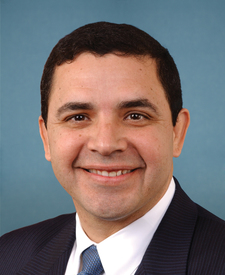
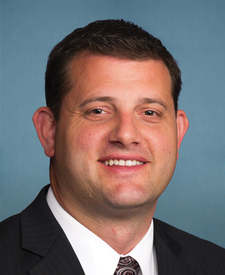
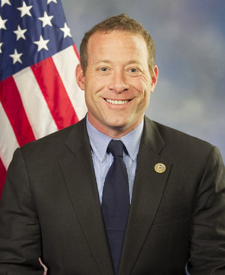
Sponsored by Rep. Jeff Hurd (R-CO) · 5 active : 2 Republicans, 3 Democrats
Latest action: Placed on Senate Legislative Calendar under General Orders. Calendar No. 663.
Geothermal Ombudsman for National Deployment and Optimal Reviews Act
This bill establishes a geothermal ombudsman and task force to oversee geothermal project permitting and authorizations on federal land.
The Department of the Interior must appoint a geothermal ombudsman from within the Bureau of Land Management (BLM). The ombudsman must act as a liaison among different parts of BLM, provide dispute resolution services between BLM and geothermal project applicants, and facilitate permit processing in different BLM field offices regarding geothermal projects on federal land.
The ombudsman must also lead the Geothermal Permitting Task Force established by this bill. The task force must support the ombudsman’s duties. Through the task force, the ombudsman may reassign employees from other Interior bureaus or offices to assist in the completion of geothermal authorizations. The ombudsman may pay a retention allowance to reassigned employees.
Each member’s recorded vote compared with their swing projection from before the vote. A member by voting against most of their own party.
Passed by voice vote or unanimous consent: no individual votes recorded.
Members fall into . 2 representatives don’t have enough data yet and are marked “insufficient data”. Non-voting delegates are not counted. The bill is not before the House right now; these scores show where members would stand.
: only movement toward the other party counts, so members who sit further from the center than their party no longer score as swing votes.
Bars show each input from 0 to 100: ideology gap, scorecard gap, . is the seat’s partisan lean, and shows how much of the input data a score has.
Loading similar votes

These members have less than half of the model’s inputs, so their scores are not banded or ranked.


Ideology is each member’s score. The cluster low on the chart includes the bill’s 6 sponsor and cosponsors in the House: they have already committed, so they score as entrenched. 2 representatives without a DW-NOMINATE score or with insufficient data are not plotted.
Similar votes count toward swing-v3 in the House: total similarity weight 59.5 (needs 5.0).