Loading bill breakdown…
- 1
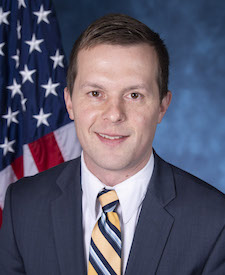 Jared F. GoldenDemocrat · Maine 2nd · Lean R+4House Committee on Natural ResourcesEnergy and Mineral ResourcesOn the ballotIdeology gapScorecard gapCross-pressureSimilar votesCommitteeBroke with party on 52% of 114 similar votesTopic-matched scorecard: LCV100Swing
 - 2
 Jennifer A. KiggansRepublican · Virginia 2nd · Lean EVENHouse Committee on Natural ResourcesEnergy and Mineral ResourcesOn the ballotIdeology gapScorecard gapCross-pressureSimilar votesCommitteeBroke with party on 4% of 116 similar votesTopic-matched scorecard: LCV98SwingContactCall
 - Ideology gapScorecard gapCross-pressureSimilar votesCommitteeNo committee seatBroke with party on 38% of 117 similar votesTopic-matched scorecard: LCV93Swing
- Ideology gapScorecard gapCross-pressureSimilar votesCommitteeNo committee seatBroke with party on 49% of 117 similar votesTopic-matched scorecard: LCV92Swing
- 5
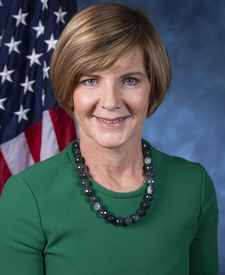 Susie LeeDemocrat · Nevada 3rd · Lean D+1House Committee on Natural ResourcesEnergy and Mineral ResourcesOn the ballotIdeology gapScorecard gapCross-pressureSimilar votesCommitteeBroke with party on 9% of 114 similar votesTopic-matched scorecard: LCV92SwingContactCall
 - Ideology gapScorecard gapCross-pressureSimilar votesCommitteeNo committee seatBroke with party on 5% of 117 similar votesTopic-matched scorecard: LCV92Swing
- Ideology gapScorecard gapCross-pressureSimilar votesCommitteeNo committee seatBroke with party on 50% of 117 similar votesTopic-matched scorecard: LCV91Swing
- Ideology gapScorecard gapCross-pressureSimilar votesCommitteeNo committee seatBroke with party on 4% of 114 similar votesTopic-matched scorecard: LCV89Swing
- Ideology gapScorecard gapCross-pressureSimilar votesCommitteeNo committee seatBroke with party on 3% of 117 similar votesTopic-matched scorecard: LCV89Swing
- Ideology gapScorecard gapCross-pressureSimilar votesCommitteeNo committee seatBroke with party on 32% of 24 similar votesTopic-matched scorecard: LCV88Swing