Loading bill breakdown…
- Ideology gapScorecard gapCross-pressureSimilar votesCommitteeNo committee seatBroke with party on 65% of 48 similar votes95Swing
- Ideology gapScorecard gapCross-pressureSimilar votesCommitteeNo committee seatBroke with party on 64% of 47 similar votes93Swing
- Ideology gapScorecard gapCross-pressureSimilar votesCommitteeNo committee seatBroke with party on 21% of 46 similar votes93Swing
- 4
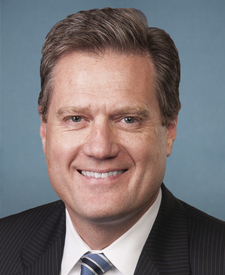 Michael R. TurnerRepublican · Ohio 10th · Lean R+3House Committee on Oversight and Government ReformOn the ballotIdeology gapScorecard gapCross-pressureSimilar votesCommitteeBroke with party on 6% of 45 similar votes92SwingContactCall
 - Ideology gapScorecard gapCross-pressureSimilar votesCommitteeNo committee seatBroke with party on 9% of 45 similar votes92Swing
- Ideology gapScorecard gapCross-pressureSimilar votesCommitteeNo committee seatBroke with party on 66% of 48 similar votes92Swing
- Ideology gapScorecard gapCross-pressureSimilar votesCommitteeNo committee seatBroke with party on 6% of 48 similar votes91Swing
- Ideology gapScorecard gapCross-pressureSimilar votesCommitteeNo committee seatBroke with party on 11% of 42 similar votes90Swing
- Ideology gapScorecard gapCross-pressureSimilar votesCommitteeNo committee seatBroke with party on 60% of 48 similar votes88Swing
- Ideology gapScorecard gapCross-pressureSimilar votesCommitteeNo committee seatBroke with party on 55% of 23 similar votes88Swing