Loading bill breakdown…
H.R. 5078119th CongressScience, Technology, Communications
PILLAR Act
Sponsored by Rep. Andrew Ogles (R-TN) · 4 active : 2 Republicans, 2 Democrats
Latest action: Received in the Senate and Read twice and referred to the Committee on Homeland Security and Governmental Affairs.
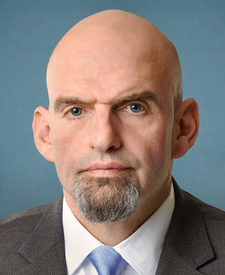
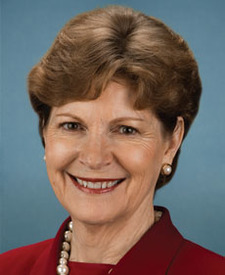
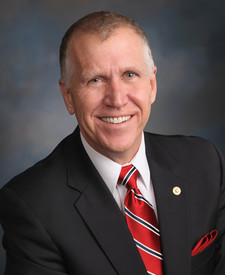
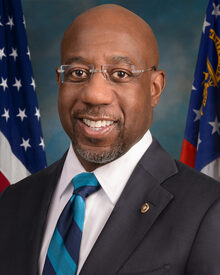
Where it standsPassed House, now in the Senate7 senators score as swing votes
Passed House
- House: passedNov 17, 2025
- Senate: next
- President: not yet
Summary
, via Congress.govProtecting Information by Local Leaders for Agency Resilience Act or the PILLAR Act
This bill extends the State and Local Cybersecurity Grant Program through FY2035, expands the scope of the program, and imposes certain limits on the use of grant funds. (The program provides grants to states and Indian tribes to address cybersecurity risks to government information systems.)
Read full summaryHide full summary
The bill expands the scope of systems that may be secured using grant funds to include operational technology systems and specifies that systems using artificial intelligence are included. Such systems must be maintained, owned, or operated by or on behalf of state, local, or tribal governments.
The bill also specifies that grant funds may not be used to purchase software, hardware, or related products or services that do not align with relevant guidance provided by the Cybersecurity and Infrastructure Security Agency (CISA).
Further, the bill increases the federal share of costs available to entities that implement or enable multifactor authentication and identity and access management tools for critical infrastructure by a specified date.
The bill requires annual reports by grant recipients to include a description of recipients’ progress in assuming the cost of continuing cybersecurity programs after grant funds are fully expended.
The Government Accountability Office must periodically review the program. This effort must include a review of artificial intelligence adoption across a sample of grants.
Finally, CISA must implement an outreach plan to inform local governments, including governments in rural areas or areas with small populations, about CISA’s no-cost cybersecurity offerings.
How the projections held up
Each member’s recorded vote compared with their swing projection from before the vote. A member by voting against most of their own party.
House
Passed by voice vote or unanimous consent: no individual votes recorded.
Committees and subjects
Committees
- House Committee on Homeland Security · HouseReported by · Markup by · Discharged from · Referred to
- Cybersecurity and Infrastructure Protection · HouseReferred to
- Senate Committee on Homeland Security and Governmental Affairs · SenateReferred to
Subjects
- Advanced technology and technological innovations
- Computer security and identity theft
- Computers and information technology
- Congressional oversight
- Government information and archives
- Government lending and loan guarantees
- Government studies and investigations
- Internet, web applications, social media
- State and local government operations
How the Senate breaks down
- 7Swing 70–100
- 65Middle 30–70
- 28Entrenched 0–30
Members fall into . All 100 senators have enough data to score.
Key players in the Senate
Ranked by swing score, 0–100 · swing-v2Bars show each input from 0 to 100: ideology gap, scorecard gap, . is the seat’s partisan lean, and shows how much of the input data a score has.
Similar past votes, Senate
Earlier behind swing-v3’s inputLoading similar votes
Cosponsors
4 activeShow all 4 cosponsors
- Andrew R. Garbarino (R-NY-2)
- Eric Swalwell (D-CA-14)
- Gabe Evans (R-CO-8)
- Eugene Simon Vindman (D-VA-7)
How the swing score works
Ideology gapHow far a member’s DW-NOMINATE voting score sits from their party’s median in the same chamber.
Scorecard gapHow far their Heritage Action and LCV ratings stray from their party’s average, using the groups’ votes on similar bills where available.
Cross-pressureHow strongly their district or state leans toward the other party, from our own computed partisan lean.
Similar votesHow often they voted against their own party on earlier roll calls about this bill or similar ones.
Committee bonusMembers of the committees handling the bill decide whether it moves, so they get a boost.
Cosponsor checkThe sponsor and active cosponsors have already committed, so they drop toward entrenched.