Loading bill breakdown…
- 1
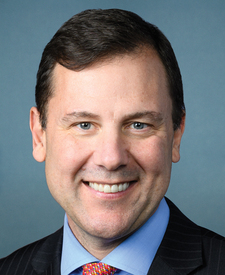 Thomas H. KeanRepublican · New Jersey 7th · Lean EVENHouse Committee on Energy and CommerceOn the ballotIdeology gapScorecard gapCross-pressureSimilar votesNot applicableCommittee94Swing
 - Ideology gapScorecard gapCross-pressureSimilar votesNot applicableCommitteeNo committee seat93Swing
- Ideology gapScorecard gapCross-pressureSimilar votesNot applicableCommitteeNo committee seat90Swing
- 4
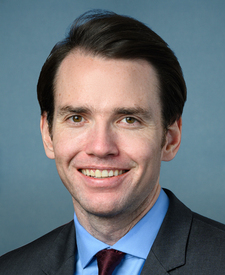 Kevin KileyIndependent · California 3rd · Lean R+2House Committee on Education and WorkforceOn the ballotIdeology gapScorecard gapCross-pressureSimilar votesNot applicableCommittee90Swing
 - Ideology gapScorecard gapCross-pressureSimilar votesNot applicableCommitteeNo committee seat90Swing
- Ideology gapScorecard gapCross-pressureSimilar votesNot applicableCommitteeNo committee seat89Swing
- Ideology gapScorecard gapCross-pressureSimilar votesNot applicableCommitteeNo committee seat88Swing
- Ideology gapScorecard gapCross-pressureSimilar votesNot applicableCommitteeNo committee seat88Swing
- 9
 Ryan MackenzieRepublican · Pennsylvania 7th · Lean R+1House Committee on Education and WorkforceOn the ballotIdeology gapScorecard gapCross-pressureSimilar votesNot applicableCommittee88Swing
 - Ideology gapScorecard gapCross-pressureSimilar votesNot applicableCommitteeNo committee seat85Swing