Loading bill breakdown…
H.R. 4371119th CongressCrime and Law Enforcement
Kayla Hamilton Act
Sponsored by Rep. Russell Fry (R-SC) · 2 active : 2 Republicans
Latest action: Received in the Senate.
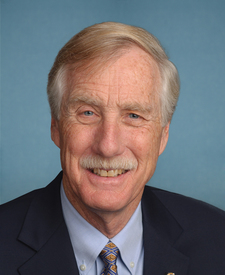
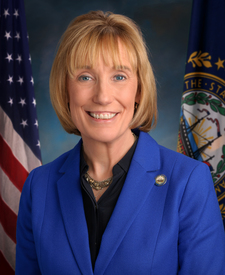
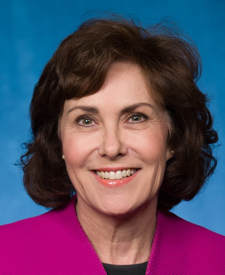
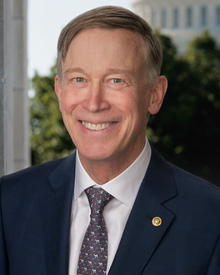
Where it standsPassed House, now in the Senate9 senators score as swing votes
Passed House
- House: passedDec 16, 2025
- Senate: next
- President: not yet
Summary
, via Congress.govKayla Hamilton Act
This bill requires the Department of Health and Human Services (HHS) to consider additional information when it makes placement determinations for unaccompanied alien children in its custody. Under federal law, an
unaccompanied alien child
is a minor with no lawful immigration status and no parent or legal guardian in the United States to provide care and physical custody.
Read full summaryHide full summary
Current law requires HHS to (1) place a child in the least restrictive setting that is in the child's best interest, and (2) assess the safety and suitability of a sponsor prior to placing a child with that sponsor.
In determining the least restrictive setting, this bill requires (currently, permits) HHS to consider the child's danger to self, danger to the community, and flight risk. Additionally, the bill requires placement in a secure facility in the case of a child who is 13 years of age or older and has gang-related markings or tattoos or a history of gang-related arrests or criminal conduct.
In assessing the safety and suitability of a sponsor, this bill requires HHS to collect and provide to the Department of Homeland Security information about all adult residents of the household, including name, date of birth, Social Security number, immigration status, contact information, and the results of all background and criminal records checks. The bill also prohibits HHS from placing a child with a sponsor who is unlawfully present in the United States.
Committees and subjects
Committees
- House Committee on the Judiciary · HouseReported by · Markup by · Referred to
Subjects
- Border security and unlawful immigration
- Child safety and welfare
- Detention of persons
- Human trafficking
- Immigration status and procedures
- Juvenile crime and gang violence
- Smuggling and trafficking
Model
Directional: count only breaks toward the other partyWhy do scores change?v3default (selected)v2 model swing-v2
How the Senate breaks down
- 9Swing 70–100
- 62Middle 30–70
- 29Entrenched 0–30
Members fall into . All 100 senators have enough data to score.
Key players in the Senate
Ranked by swing score, 0–100 · swing-v3, directional: only movement toward the other party counts, so members who sit further from the center than their party no longer score as swing votes.
Bars show each input from 0 to 100: ideology gap, scorecard gap, , and the . is the seat’s partisan lean, and shows how much of the input data a score has.
Similar past votes, Senate
Earlier behind swing-v3’s inputLoading similar votes
Cosponsors
2 activeShow all 2 cosponsors
- Barry Moore (R-AL-1)
- Troy E. Nehls (R-TX-22)
How the swing score works
Ideology gapHow far a member’s DW-NOMINATE voting score sits from their party’s median in the same chamber.
Scorecard gapHow far their Heritage Action and LCV ratings stray from their party’s average, using the groups’ votes on similar bills where available.
Cross-pressureHow strongly their district or state leans toward the other party, from our own computed partisan lean.
Similar votesHow often they voted against their own party on earlier roll calls about this bill or similar ones.
Committee bonusMembers of the committees handling the bill decide whether it moves, so they get a boost.
Cosponsor checkThe sponsor and active cosponsors have already committed, so they drop toward entrenched.