Loading bill breakdown…
- 1
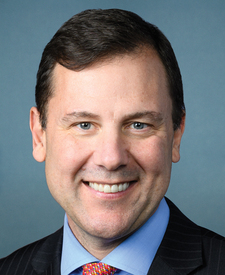 Thomas H. KeanRepublican · New Jersey 7th · Lean EVENHouse Committee on Foreign AffairsOn the ballotIdeology gapScorecard gapCross-pressureSimilar votesCommitteeBroke with party on 25% of 85 similar votes97Swing
 - 2
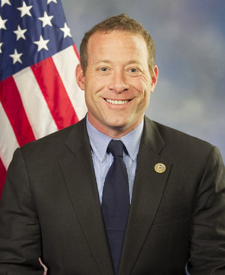 Josh GottheimerDemocrat · New Jersey 5th · Lean D+2House Committee on Financial ServicesOn the ballotIdeology gapScorecard gapCross-pressureSimilar votesCommitteeBroke with party on 18% of 85 similar votes95SwingContactCall
 - Ideology gapScorecard gapCross-pressureSimilar votesCommitteeNo committee seatBroke with party on 25% of 90 similar votes95Swing
- Ideology gapScorecard gapCross-pressureSimilar votesCommitteeBroke with party on 24% of 91 similar votes94SwingContactCall
- Ideology gapScorecard gapCross-pressureSimilar votesCommitteeNo committee seatBroke with party on 21% of 91 similar votes93Swing
- Ideology gapScorecard gapCross-pressureSimilar votesCommitteeNo committee seatBroke with party on 36% of 91 similar votes93Swing
- 7
 Jared MoskowitzDemocrat · Florida 23rd · Lean D+2House Committee on Foreign AffairsHouse Committee on the JudiciaryOn the ballotIdeology gapScorecard gapCross-pressureSimilar votesCommitteeBroke with party on 14% of 89 similar votes92SwingContactCall
 - 8
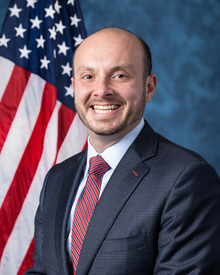 Andrew R. GarbarinoRepublican · New York 2nd · Lean R+6House Committee on Financial ServicesOn the ballotIdeology gapScorecard gapCross-pressureSimilar votesCommitteeBroke with party on 22% of 84 similar votes92SwingContactCall
 - Ideology gapScorecard gapCross-pressureSimilar votesCommitteeNo committee seatBroke with party on 25% of 90 similar votes92Swing
- Ideology gapScorecard gapCross-pressureSimilar votesCommitteeBroke with party on 18% of 90 similar votes91SwingContactCall