Loading bill breakdown…
- 1
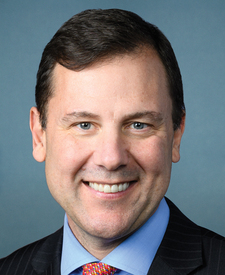 Thomas H. KeanRepublican · New Jersey 7th · Lean EVENHouse Committee on Energy and CommerceHealthOn the ballotIdeology gapScorecard gapCross-pressureSimilar votesCommitteeBroke with party on 12% of 17 similar votes99Swing
 - Ideology gapScorecard gapCross-pressureSimilar votesCommitteeNo committee seatBroke with party on 25% of 17 similar votes95Swing
- Ideology gapScorecard gapCross-pressureSimilar votesCommitteeNo committee seatBroke with party on 24% of 17 similar votes93Swing
- Ideology gapScorecard gapCross-pressureSimilar votesCommitteeNo committee seatBroke with party on 23% of 17 similar votes93Swing
- Ideology gapScorecard gapCross-pressureSimilar votesCommitteeNo committee seatBroke with party on 13% of 17 similar votes92Swing
- Ideology gapScorecard gapCross-pressureSimilar votesCommitteeNo committee seatBroke with party on 11% of 16 similar votes91Swing
- Ideology gapScorecard gapCross-pressureSimilar votesCommitteeNo committee seatBroke with party on 21% of 17 similar votes91Swing
- Ideology gapScorecard gapCross-pressureSimilar votesCommitteeNo committee seatBroke with party on 10% of 15 similar votes89Swing
- Ideology gapScorecard gapCross-pressureSimilar votesCommitteeNo committee seatBroke with party on 28% of 4 similar votes88Swing
- Ideology gapScorecard gapCross-pressureSimilar votesCommitteeNo committee seatBroke with party on 19% of 4 similar votes88Swing