Loading bill breakdown…
Loading bill breakdown…
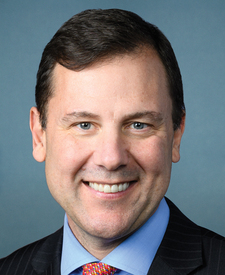
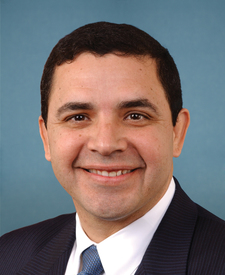
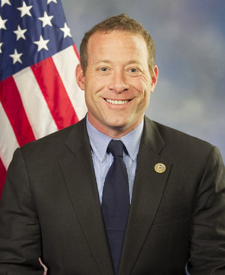
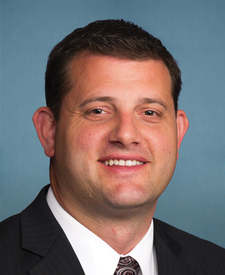
Sponsored by Rep. Young Kim (R-CA) · 5 active : 2 Republicans, 3 Democrats
Latest action: Received in the Senate and Read twice and referred to the Committee on Veterans' Affairs.
Improving VA Training for Military Sexual Trauma Claims Act
This bill expands training requirements and assistance provided by the Department of Veterans Affairs (VA) in relation to claims for covered mental health conditions (e.g., post-traumatic stress disorder) based on military sexual trauma.
Specifically, the bill requires VA employees who process claims for covered mental health conditions based on military sexual trauma to receive annual sensitivity training. Such training must be updated by the VA at least once a year.
The VA must annually report on (1) the training it provides, and (2) any plans to expand and update such training.
In providing assistance with such claims related to military sexual trauma, the VA must obtain the service medical record of the claimant and, if there is not credible supporting evidence of a military sexual trauma in the record, obtain the service personnel record of the claimant.
Additionally, the VA must report to Congress regarding (1) sensitivity training required for health care professionals (including schedulers) who are contracted under a VA pilot program to perform examinations of veterans who make claims related to military sexual trauma, and (2) the VA’s plan to improve such training and ensure veterans are not retraumatized during such an examination.
Members fall into . 2 representatives don’t have enough data yet and are marked “insufficient data”. Non-voting delegates are not counted. The bill is not before the House right now; these scores show where members would stand.
Bars show each input from 0 to 100: ideology gap, scorecard gap, . is the seat’s partisan lean, and shows how much of the input data a score has.
Loading similar votes
These members have less than half of the model’s inputs, so their scores are not banded or ranked.


Ideology is each member’s score. The cluster low on the chart includes the bill’s 5 sponsor and cosponsors in the House: they have already committed, so they score as entrenched. 2 representatives without a DW-NOMINATE score or with insufficient data are not plotted.
Similar votes count toward swing-v3 in the House: total similarity weight 70.0 (needs 5.0).