Loading bill breakdown…
- Ideology gapScorecard gapCross-pressure92SwingVote on passage, Feb 9, 2026:YeaProjected: 92 Swing
- Ideology gapScorecard gapCross-pressure90SwingVote on passage, Feb 9, 2026:YeaProjected: 90 SwingContactCall
- Ideology gapScorecard gapCross-pressure89SwingVote on passage, Feb 9, 2026:YeaProjected: 89 SwingContactCall
- Ideology gapScorecard gapCross-pressure88SwingVote on passage, Feb 9, 2026:YeaProjected: 88 SwingContactCall
- Ideology gapScorecard gapCross-pressure88SwingVote on passage, Feb 9, 2026:YeaProjected: 88 SwingContactCall
- 6
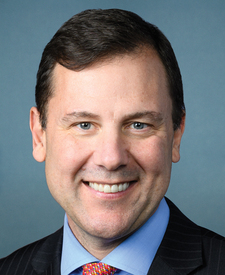 Thomas H. KeanRepublican · New Jersey 7th · Lean EVENHouse Committee on Foreign AffairsOn the ballotIdeology gapScorecard gapCross-pressure86SwingVote on passage, Feb 9, 2026:Not votingProjected: 86 SwingContactCall
 - Ideology gapScorecard gapCross-pressure85SwingVote on passage, Feb 9, 2026:YeaProjected: 85 SwingContactCall
- Ideology gapScorecard gapCross-pressure84SwingVote on passage, Feb 9, 2026:YeaProjected: 84 SwingContactCall
- 9
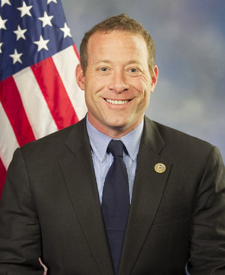 Josh GottheimerDemocrat · New Jersey 5th · Lean D+2House Committee on Financial ServicesOn the ballotIdeology gapScorecard gapCross-pressure84SwingVote on passage, Feb 9, 2026:YeaProjected: 84 SwingContactCall
 - Ideology gapScorecard gapCross-pressureToday84SwingVote on passage, Feb 9, 2026:YeaProjected at the vote: 83 Swing (today: 84)ContactCall