Loading bill breakdown…

Loading bill breakdown…
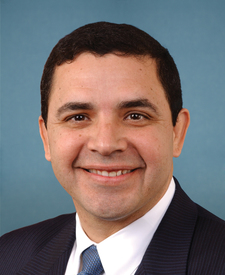
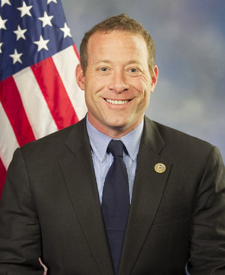
Sponsored by Rep. Gus M. Bilirakis (R-FL) · 2 active : 1 Republican, 1 Democrat
Latest action: Read twice. Placed on Senate Legislative Calendar under General Orders. Calendar No. 163.
Transparency In Charges for Key Events Ticketing Act or the TICKET Act
This bill requires ticket sellers (including sellers on the secondary market) for concerts, performances, sporting events, and similar activities to clearly and prominently disclose the total ticket price for the event at the time the ticket is first displayed to an individual (and anytime thereafter during the purchasing process). Prior to completing a purchase, ticket sellers also must provide an itemized list of the base ticket price and each fee (e.g., service fee, processing fee, or other charge). The total ticket price must also be disclosed in any advertisement, marketing, or price list.
Additionally, a ticket seller, secondary market seller, or ticket exchange that does not have actual or constructive possession of an event ticket is prohibited from selling or advertising a ticket for the event. However, a secondary market seller or exchange may sell or advertise a service to obtain an event ticket for an individual if the seller or exchange (1) does not market the service as an event ticket, (2) maintains a clear separation between the provided service and the event tickets throughout the entire purchasing process, and (3) clearly discloses that the service is not an event ticket.
The bill establishes additional disclosure requirements for ticket sellers, secondary market sellers, and ticket exchanges, and requires such entities to issue a refund for the total ticket price if an event is canceled or postponed.
The Federal Trade Commission must enforce these requirements.
Members fall into . 2 representatives don’t have enough data yet and are marked “insufficient data”. Non-voting delegates are not counted. The bill is not before the House right now; these scores show where members would stand.
Bars show each input from 0 to 100: ideology gap, scorecard gap, . is the seat’s partisan lean, and shows how much of the input data a score has.
Loading similar votes

These members have less than half of the model’s inputs, so their scores are not banded or ranked.


Ideology is each member’s score. The cluster low on the chart includes the bill’s 3 sponsor and cosponsors in the House: they have already committed, so they score as entrenched. 2 representatives without a DW-NOMINATE score or with insufficient data are not plotted.
Similar votes count toward swing-v3 in the House: total similarity weight 13.5 (needs 5.0).