Loading bill breakdown…
H.R. 1366119th CongressEnvironmental Protection
Mining Regulatory Clarity Act
Sponsored by Rep. Mark E. Amodei (R-NV) · 2 active : 1 Republican, 1 Democrat
Latest action: Read twice. Placed on Senate Legislative Calendar under General Orders. Calendar No. 357.
Where it standsPassed House, now in the Senate9 senators score as swing votes
Passed House
- House: passedDec 18, 2025
- Senate: next
- President: not yet
Summary
, via Congress.govMining Regulatory Clarity Act
This bill allows mining operators to use federal lands for activities ancillary to mining, such as waste disposal, regardless of whether those lands contain mineral deposits valuable enough to be mined (mineral validity). It also establishes the Abandoned Hardrock Mine Fund.
The bill addresses a 2022 decision in the U.S. Court of Appeals for the Ninth Circuit related to the Rosemont Copper Mine in Arizona (commonly known as
the Rosemont decision
, described further in
CRS Report R48166
Read full summaryHide full summary
). The court held that mining claims are only allowed where mineral validity has been established and that mill site claims are more appropriate means for establishing a mining waste disposal site under the Mining Act.
The bill allows a mining operator to (1) locate and include within its plan of operations as many mill site claims (e.g., areas for waste rock disposal) as are reasonably necessary for its operations, and (2) use or occupy public land in accordance with an approved plan of operations.
Additionally, the bill requires any revenue generated from fees for such mill site claims to be deposited into the Abandoned Hardrock Mine Fund. The Department of the Interior must use the fund for certain abandoned hardrock mine reclamation activities.
How the projections held up
Each member’s recorded vote compared with their swing projection from before the vote. A member by voting against most of their own party.
House
On PassagePassed219 yea, 198 nayDecember 18, 2025 · Roll call 358
| BandBand before the vote | VotedVoted yea or nay | BrokeBroke with party | Share |
|---|---|---|---|
| Swing | 52 | 8 | 15% |
| Middle | 225 | 1 | 0% |
| Entrenched | 133 | 1 | 1% |
| Insufficient data |
Committees and subjects
Committees
- House Committee on Natural Resources · HouseReported by · Markup by · Discharged from · Referred to
- Energy and Mineral Resources · HouseHearings by (subcommittee) · Referred to
Subjects
- Government trust funds
- Land use and conservation
- Mining
Model
Directional: count only breaks toward the other partyWhy do scores change?v3default (selected)v2 model swing-v2
How the Senate breaks down
- 9Swing 70–100
- 69Middle 30–70
- 22Entrenched 0–30
Members fall into . All 100 senators have enough data to score.
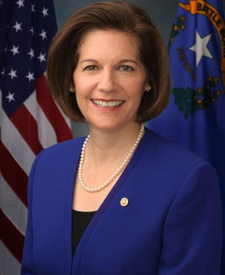
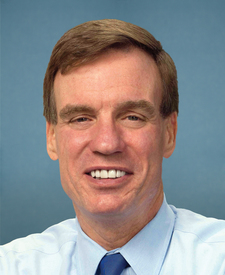
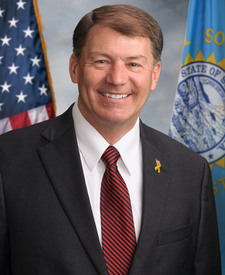
Key players in the Senate
Ranked by swing score, 0–100 · swing-v3, directional: only movement toward the other party counts, so members who sit further from the center than their party no longer score as swing votes.
Bars show each input from 0 to 100: ideology gap, scorecard gap, , and the . is the seat’s partisan lean, and shows how much of the input data a score has.

Similar past votes, Senate
Earlier behind swing-v3’s inputLoading similar votes
Cosponsors
2 activeShow all 2 cosponsors
- Steven Horsford (D-NV-4)
- Nicholas J. Begich (R-AK-AL)
How the swing score works
Ideology gapHow far a member’s DW-NOMINATE voting score sits from their party’s median in the same chamber.
Scorecard gapHow far their Heritage Action and LCV ratings stray from their party’s average, using the groups’ votes on similar bills where available.
Cross-pressureHow strongly their district or state leans toward the other party, from our own computed partisan lean.
Similar votesHow often they voted against their own party on earlier roll calls about this bill or similar ones.
Committee bonusMembers of the committees handling the bill decide whether it moves, so they get a boost.
Cosponsor checkThe sponsor and active cosponsors have already committed, so they drop toward entrenched.