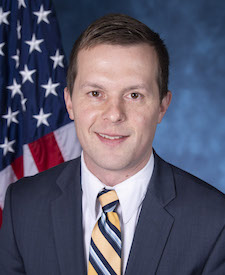
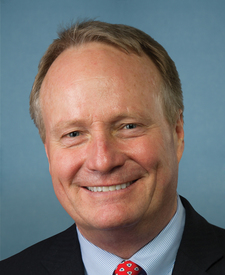
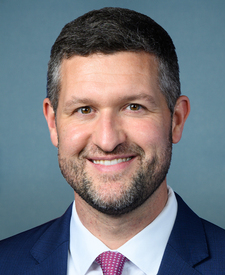
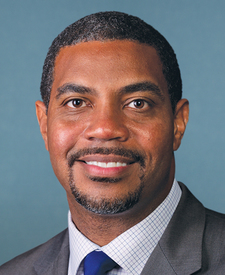
Loading bill breakdown…
- Ideology gapScorecard gapCross-pressureSimilar votesCommitteeNo committee seatBroke with party on 25% of 17 similar votes95Swing
- Ideology gapScorecard gapCross-pressureSimilar votesCommitteeNo committee seatBroke with party on 10% of 17 similar votes82Swing
- Ideology gapScorecard gapCross-pressureSimilar votesCommitteeBroke with party on 8% of 16 similar votes80SwingContactCall
- Ideology gapScorecard gapCross-pressureSimilar votesCommitteeNo committee seatBroke with party on 8% of 17 similar votes74Swing
- Ideology gapScorecard gapCross-pressureSimilar votesCommitteeNo committee seatBroke with party on 7% of 17 similar votes73Swing
- Ideology gapScorecard gapCross-pressureSimilar votesCommitteeNo committee seatBroke with party on 8% of 16 similar votes70Middle
- 7
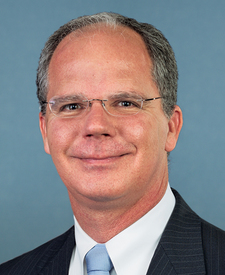 Brett GuthrieRepublican · Kentucky 2nd · Lean R+20House Committee on Energy and Commerce (Chair)On the ballotIdeology gapScorecard gapCross-pressureSimilar votesCommitteeBroke with party on 4% of 17 similar votes68Middle
 - Ideology gapScorecard gapCross-pressureSimilar votesCommitteeNo committee seatBroke with party on 8% of 17 similar votes68Middle
- Ideology gapScorecard gapCross-pressureSimilar votesCommitteeNo committee seatBroke with party on 4% of 9 similar votes66Middle
- Ideology gapScorecard gapCross-pressureSimilar votesCommitteeNo committee seatBroke with party on 4% of 17 similar votes65Middle