Loading bill breakdown…
H.R. 1069119th CongressEducation
PROTECT Our Kids Act
Sponsored by Rep. Kevin Hern (R-OK) · 2 active : 1 Republican, 1 Independent
Latest action: Received in the Senate and Read twice and referred to the Committee on Health, Education, Labor, and Pensions.
Where it standsPassed House, now in the Senate9 senators score as swing votes
Passed House
- House: passedDec 4, 2025
- Senate: next
- President: not yet
Summary
, via Congress.govPromoting Responsible Oversight To Eliminate Communist Teachings for Our Kids Act or the PROTECT Our Kids Act
This bill prohibits federal education funding for any elementary or secondary school that directly or indirectly receives support from the Chinese government.
Read full summaryHide full summary
Specifically, the bill prohibits such funding for any school that (1) has a partnership in effect with a cultural or language institute funded by the Chinese government, including a Confucius Institute; (2) operates a learning center supported by the Chinese government (commonly referred to as a Confucius Classroom); or (3) receives support from an individual or entity acting on behalf of the Chinese government, including support in the form of teaching materials, personnel, funds, or other resources. However, the Department of Education (ED) may issue a waiver of the prohibition if a school has an existing contract with one of these entities and the school demonstrates that the contract is for the benefit of the school and promotes the security, stability, and economy of the United States.
The bill directs ED to provide notice of the bill's requirements to schools, as well as guidance for achieving compliance with the requirements.
How the projections held up
Each member’s recorded vote compared with their swing projection from before the vote. A member by voting against most of their own party.
House
On PassagePassed247 yea, 164 nayDecember 4, 2025 · Roll call 313
| BandBand before the vote | VotedVoted yea or nay | BrokeBroke with party | Share |
|---|---|---|---|
| Swing | 37 | 18 | 49% |
| Middle | 170 | 15 | 9% |
| Entrenched | 200 | 0 | 0% |
| All |
Committees and subjects
Committees
- House Committee on Education and Workforce · HouseReported by · Markup by · Referred to
- Senate Committee on Health, Education, Labor, and Pensions · SenateReferred to
Subjects
- Asia
- China
- Cultural exchanges and relations
- Education programs funding
- Elementary and secondary education
- Foreign language and bilingual programs
How the Senate breaks down
- 9Swing 70–100
- 62Middle 30–70
- 29Entrenched 0–30
Members fall into . All 100 senators have enough data to score.
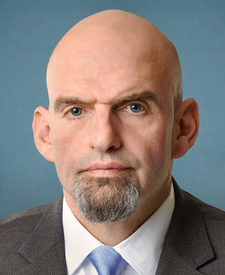
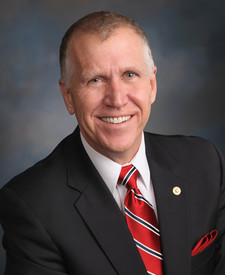
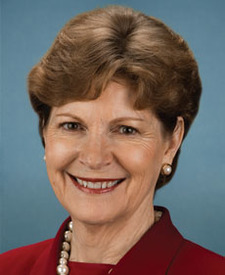
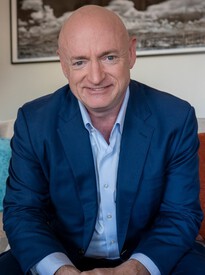
Key players in the Senate
Ranked by swing score, 0–100 · swing-v2, directional: only movement toward the other party counts, so members who sit further from the center than their party no longer score as swing votes.
Bars show each input from 0 to 100: ideology gap, scorecard gap, . is the seat’s partisan lean, and shows how much of the input data a score has.
Similar past votes, Senate
Earlier behind swing-v3’s inputLoading similar votes
Cosponsors
2 activeShow all 2 cosponsors
- Kevin Kiley (I-CA-3)
- Andy Barr (R-KY-6)
How the swing score works
Ideology gapHow far a member’s DW-NOMINATE voting score sits from their party’s median in the same chamber.
Scorecard gapHow far their Heritage Action and LCV ratings stray from their party’s average, using the groups’ votes on similar bills where available.
Cross-pressureHow strongly their district or state leans toward the other party, from our own computed partisan lean.
Similar votesHow often they voted against their own party on earlier roll calls about this bill or similar ones.
Committee bonusMembers of the committees handling the bill decide whether it moves, so they get a boost.
Cosponsor checkThe sponsor and active cosponsors have already committed, so they drop toward entrenched.