Loading bill breakdown…
- 1
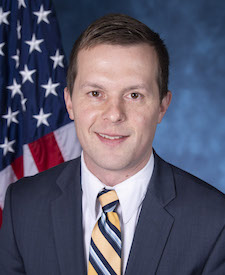 Jared F. GoldenDemocrat · Maine 2nd · Lean R+4House Committee on Natural ResourcesWater, Wildlife and FisheriesOn the ballotIdeology gapScorecard gapCross-pressureSimilar votesNot applicableCommittee100Swing
 - 2
 Adam GrayDemocrat · California 13th · Lean R+1House Committee on Natural ResourcesWater, Wildlife and FisheriesOn the ballotIdeology gapScorecard gapCross-pressureSimilar votesNot applicableCommittee93SwingContactCall
 - 3
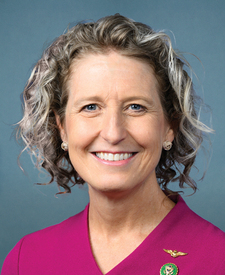 Jennifer A. KiggansRepublican · Virginia 2nd · Lean EVENHouse Committee on Natural ResourcesWater, Wildlife and FisheriesOn the ballotIdeology gapScorecard gapCross-pressureSimilar votesNot applicableCommittee92SwingContactCall
 - Ideology gapScorecard gapCross-pressureSimilar votesNot applicableCommittee91Swing
- Ideology gapScorecard gapCross-pressureSimilar votesNot applicableCommitteeNo committee seat90Swing
- Ideology gapScorecard gapCross-pressureSimilar votesNot applicableCommitteeNo committee seat90Swing
- Ideology gapScorecard gapCross-pressureSimilar votesNot applicableCommitteeNo committee seat89Swing
- Ideology gapScorecard gapCross-pressureSimilar votesNot applicableCommitteeNo committee seat88Swing
- Ideology gapScorecard gapCross-pressureSimilar votesNot applicableCommitteeNo committee seat88Swing
- Ideology gapScorecard gapCross-pressureSimilar votesNot applicableCommitteeNo committee seat87Swing